
Zoals we onlangs berichtten heeft de Protestantse Gemeente Laren plannen om bij de protestantse (voormalig hervormde) Johanneskerk in het centrum van het Noord-Hollandse Laren een aanbouw te plaatsen waar allerlei (kerkelijke) activiteiten kunnen plaatsvinden.

Daarmee komt de sluiting van de protestantse (voormalig gereformeerde) Ontmoetingskerk in het dorp een stap dichterbij.
Volgens de berichten waren de plannen van de Protestantse Gemeente tot ongeveer veertien dagen geleden slechts bekend bij een klein deel van de Laarder politiek. De overige raadsleden hoorden pas voor het eerst over de verbouwplannen en de daaruit voortkomende voorgenomen sluiting van de Ontmoetingskerk tijdens een commissievergadering, die de zaak zou bespreken.
Een deel van de raadsleden gaf echter aan dat het hen eigenlijk allemaal te snel ging. Zij wilden meer tijd om een zorgvuldige beslissing te kunnen nemen. Een van de politici vond dat de gang van zaken veel weg had van ‘tekenen bij het kruisje’. Een ander sprak van een ‘schokeffect’ en verklaarde dat men zich niet gehoord voelde.
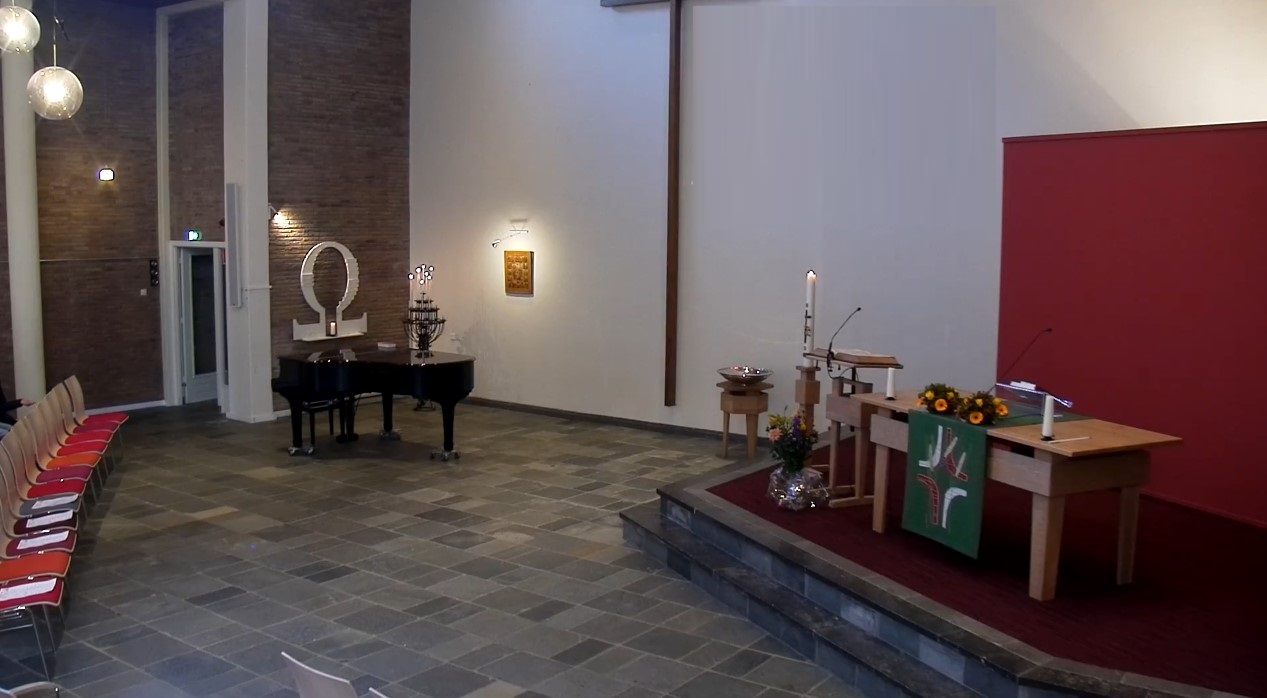
Het raadsbesluit is officieel echter genomen.
Maar volgens de officiële raadsstukken heeft de gemeenteraad op 28 januari 2026 in een openbare vergadering ‘een positief bindend advies gegeven’ over de uitbreiding van de Johanneskerk. Daarmee gaf de Raad formeel haar steun aan de aanvraag voor de uitbreiding/aanbouw van de kerk aan de Naarderstraat 5 in Laren. Dit betekent dat het belangrijkste politieke besluit in de gemeenteraad al genomen is: de Raad heeft op die datum het voorstel beoordeeld en ingestemd met het bindend advies waarmee de kerkelijke gemeente verder kan in de procedure richting de formele omgevingsvergunning.
Daarover neemt het College van B&W te zijner tijd het besluit. Het Raadsbesluit weegt daarbij weliswaar zwaar, maar het College neemt formeel het besluit. Na de officiële publicatie van het ontwerpbesluit worden de bijbehorende stukken ter inzage gelegd, en volgt een inspraakronde waarbij men als omwonende, belanghebbende of als organisatie schriftelijk zijn of haar zienswijze kan indienen. Daarna neemt het College een definitief besluit. waarna formeel eventueel beroep bij de rechtbank en daarna bij de Raad van State mogelijk is.
Translation into English:
“Signing on the dotted line?”
As we recently reported, the Protestant Congregation of Laren has plans to build an extension to the Protestant (formerly ‘hervormde’) Johannes Church in the center of Laren, North Holland, where a variety of (church-related) activities can take place.
This brings the closure of the Protestant (formerly ‘gereformeerde’) Ontmoetingskerk in the village one step closer.
According to reports, the plans of the Protestant Congregation were known until about fourteen days ago only to a small part of Laren’s local politics. The remaining council members heard about the renovation plans—and the resulting intended closure of the Ontmoetingskerk—for the first time during a committee meeting convened to discuss the matter.
However, some of the council members indicated that everything was moving too fast for them. They wanted more time to be able to make a careful decision. One politician felt that the course of events strongly resembled “signing on the dotted line.” Another spoke of a “shock effect” and stated that people felt they had not been heard.
Officially, however, the council decision has been taken.
According to the official council documents, the municipal council, in a public meeting on 28 January 2026, “issued a positive binding opinion” regarding the expansion of the Johannes Church. In doing so, the council formally expressed its support for the application for the expansion/extension of the church at Naarderstraat 5 in Laren. This means that the most important political decision within the municipal council has already been made: on that date, the council assessed the proposal and agreed to the binding opinion, allowing the church congregation to proceed further in the process toward the formal environmental permit.
The Board of Mayor and Aldermen (B&W) will take the decision on that at the appropriate time. Although the council decision carries significant weight, the board formally takes the decision. After the official publication of the draft decision, the associated documents will be made available for inspection, followed by a public participation period during which local residents, interested parties, or organizations may submit their views in writing. The board will then take a final decision, after which, formally, an appeal to the court—and subsequently to the Council of State—may be lodged if desired.