
Kerkenraad Oosterkerk Zwolle hoopt op nieuwe dialoog met de Algemene Kerkenraad over gebouwenbesluit.
De wijkkerkenraad van de protestantse (voormalig gereformeerde) Oosterkerk in Zwolle zal geen formeel bezwaarschrift indienen tegen het besluit van de Algemene Kerkenraad (AK) van de Protestantse Gemeente Zwolle om onder meer de Oosterkerk te sluiten.
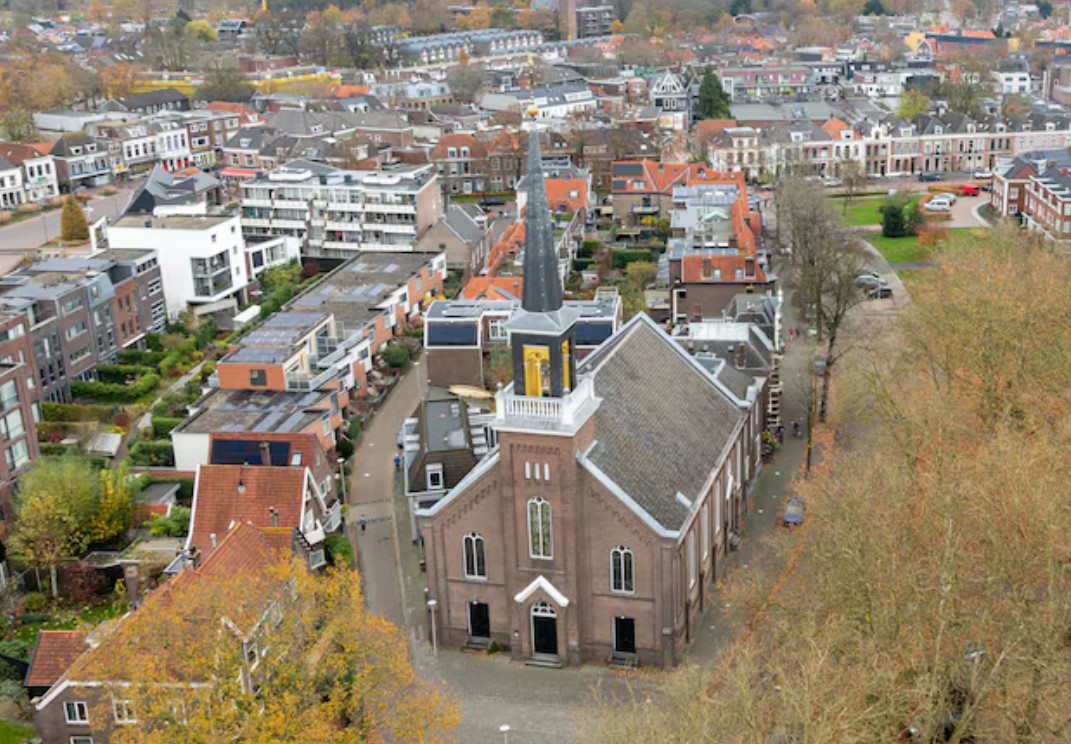
Dat heeft de kerkenraad van de Oosterkerk na uitvoerig overleg besloten en naar buiten gebracht. Daarmee lijkt de juridische route vanuit de wijkgemeente voorlopig van tafel, al blijft bezwaar door individuele gemeenteleden mogelijk.
Het besluit van de Algemene Kerkenraad om meerdere kerkgebouwen af te stoten leidde eerder tot veel weerstand binnen de betrokken wijkgemeenten. De mogelijkheid om het besluit aan te vechten bij het Classicaal College voor Bezwaren en Geschillen (CCBG) werd daarom serieus overwogen. Volgens de wijkkerkenraad was de keuze om daarvan af te zien niet eenvoudig. „Dat was geen gemakkelijke keuze en zeker niet de weg van de minste weerstand”, aldus de kerkenraad.
Hoewel de wijkkerkenraad zelf geen bezwaar zal indienen, toont hij begrip voor gemeenteleden die dat wel willen doen. De kerkorde van de Protestantse Kerk biedt die mogelijkheid nog tot 8 juli, dertig dagen na de bekendmaking van het besluit.
Nieuwe dialoog gezocht.
De kerkenraad richt zich nu vooral op het vervolg. Daarbij wordt gehoopt op een nieuwe dialoog met de Algemene Kerkenraad over de toekomst van de wijkgemeente. Volgens de kerkenraad is het belangrijk om daarbij bestaande tegenstellingen achter zich te laten.
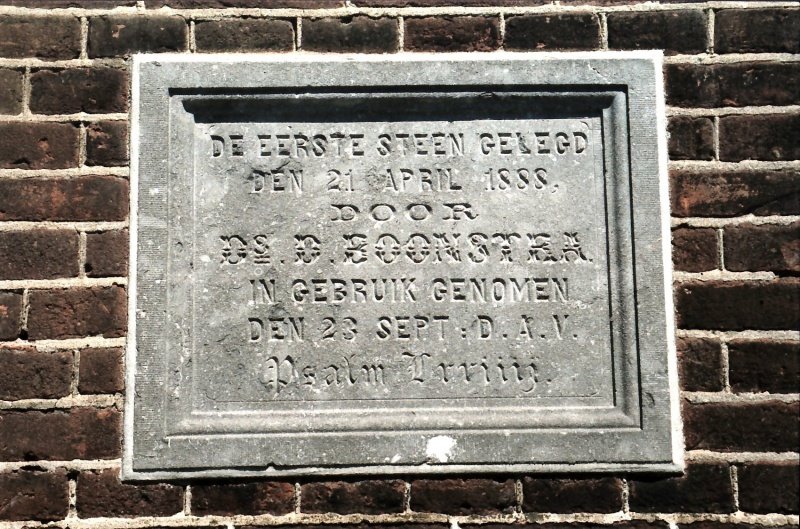
Daarnaast zal de wijkkerkenraad een uitgebreide schriftelijke reactie sturen aan de Algemene Kerkenraad (AK). Daarin wordt teruggekeken op het besluitvormingsproces rond de gebouwen en worden vraagtekens geplaatst bij een aantal argumenten die de AK heeft gebruikt. Volgens de kerkenraad van de Oosterkerk gaan die op onderdelen voorbij aan de verantwoordelijkheid van de kerkenraad. Ook wil de kerkenraad aangeven welke voorwaarden en ondersteuning nodig zijn om vanuit de nieuwe situatie verder te bouwen aan de gemeente.
Verder komt er nog een afzonderlijke reactie op het document waarin de Algemene Kerkenraad eerder de ingediende brieven over het gebouwenbeleid beantwoordde. Volgens de wijkkerkenraad bevat dat document op verschillende punten een vertekend beeld van de feiten en omstandigheden.
Gemeenteberaad over toekomst.
De aandacht verschuift daarmee steeds meer naar de toekomst van de wijkgemeente. Op zondag 28 juni 2026 wordt na de kerkdienst in de Adventskerk een gemeenteberaad gehouden. Tijdens die bijeenkomst wil de kerkenraad met gemeenteleden spreken over onderwerpen die de komende periode belangrijk worden, zoals de herinrichting van het pastoraat, het jeugdwerk en de toekomstige plek van samenkomst.
De bijeenkomst wordt voorbereid met ondersteuning van een medewerker van Kerkvitaal, die ook de leiding van het gemeenteberaad op zich zal nemen.
Met het afzien van een formeel bezwaar kiest de wijkkerkenraad daarmee voor een koers waarin overleg, verantwoording en toekomstplanning centraal staan. Tegelijkertijd is de discussie over het gebouwenbesluit nog niet geheel afgesloten, omdat individuele gemeenteleden nog gebruik kunnen maken van de bezwaarprocedure bij het CCBG.
Translation into English:
Closure of Oosterkerk: “No Formal Objection”.
Oosterkerk Church Council in Zwolle hopes for renewed dialogue with the General Church Council regarding the buildings decision.
The district church council of the Protestant (formerly ‘gereformeerde’) Oosterkerk in Zwolle will not submit a formal objection to the decision of the General Church Council (AK) of the Protestant Congregation of Zwolle to close, among other buildings, the Oosterkerk.
After extensive consultation, the Oosterkerk church council reached this decision and has made it public. This appears to take the legal route off the table for the district congregation for the time being, although individual church members may still file objections.
The decision by the General Church Council to dispose of several church buildings had previously led to considerable resistance within the affected district congregations. As a result, the possibility of challenging the decision before the Classical College for Objections and Disputes (CCBG) was seriously considered. According to the district church council, the decision not to pursue that option was not an easy one.
“It was not an easy choice and certainly not the path of least resistance,” the church council stated.
Although the district church council itself will not file an objection, it understands the position of congregation members who wish to do so. Under the rules of the Protestant Church in the Netherlands, such objections may still be submitted until 8 July, thirty days after the decision was officially announced.
Seeking a New Dialogue.
The church council is now focusing primarily on the next steps. It hopes to begin a new dialogue with the General Church Council about the future of the district congregation. According to the council, it is important to move beyond existing divisions in doing so.
In addition, the district church council will send a detailed written response to the General Church Council (AK). This document will reflect on the decision-making process concerning the church buildings and question several of the arguments used by the AK. According to the Oosterkerk council, some of these arguments fail to adequately recognize the responsibilities of the district church council. The council also intends to outline the conditions and support needed to continue building the congregation in the new situation.
Furthermore, a separate response will be submitted regarding the document in which the General Church Council previously replied to the letters received about the buildings policy. According to the district church council, that document presents a distorted picture of the facts and circumstances on several points.
Congregational Meeting on the Future.
Attention is therefore shifting increasingly toward the future of the district congregation. On Sunday, 28 June 2026, a congregational meeting will be held after the church service in the Adventskerk. During this gathering, the church council wishes to discuss with members a number of issues that will become important in the coming period, including the reorganization of pastoral care, youth ministry, and the future location for worship services.
The meeting is being prepared with the assistance of a staff member from Kerkvitaal, who will also chair the congregational discussion.
By choosing not to file a formal objection, the district church council is opting for an approach centered on dialogue, accountability, and planning for the future. At the same time, the debate surrounding the buildings decision is not yet fully closed, as individual congregation members may still make use of the objection procedure before the CCBG.