
De discussie over de toekomst van de protestantse, voormalig gereformeerde Oosterkerk in Zwolle heeft geleid tot forse spanningen binnen de Adventskerk-Oosterkerkgemeente. Wat begon als een discussie over de keuze van een kerkgebouw, is inmiddels uitgegroeid tot een bredere vraag over de toekomst en samenhang van de gemeente.
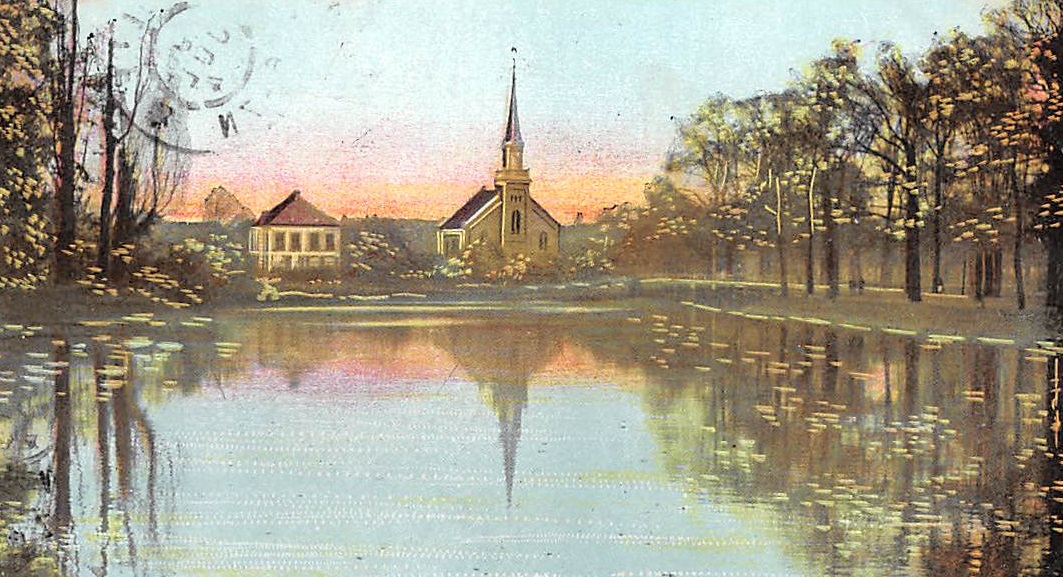
De kerkenraadsvoorzitter van de Adventskerk-Oosterkerkgemeente keek terug en kijkt vooruit in een artikel in het contactblad van die gemeente, ‘Klankbord‘.
Daarin wordt onder meer herinnerd aan het besluit van de Algemene Kerkenraad van de Protestantse Gemeente Zwolle die op 1 juni 2026 besloot het aantal kerkgebouwen te verminderen. Binnen de Adventskerk-Oosterkerkgemeente ontstond vervolgens discussie over de rechtmatigheid van dit besluit. Eind juni bleek dat bij de besluitvorming mogelijk niet volledig was voldaan aan een bepaling uit de Plaatselijke Regeling over de verhouding tussen de Algemene Kerkenraad en de wijkkerkenraden.
Bezwaren ingediend.
Enkele leden van de wijkkerkenraad besloten daarop bezwaar in te dienen bij het Classicaal College voor Bezwaren en Geschillen (CCBG). Ook minimaal 153 gemeenteleden hebben bezwaar aangekondigd. Daarnaast heeft de wijkkerkenraad van de Sionskerk afzonderlijk bezwaar gemaakt. De juridische behandeling van de bezwaren wordt naar verwachting in het najaar van 2026 voortgezet.
Ondertussen kijkt de wijkkerkenraad verder dan alleen de juridische procedure. Binnen de gemeente zijn duidelijk twee visies ontstaan: een groep pleit voor behoud van de Oosterkerk, terwijl anderen de Adventskerk als toekomstig kerkgebouw zien. De langdurige discussie heeft de onderlinge verhoudingen verder onder druk gezet.
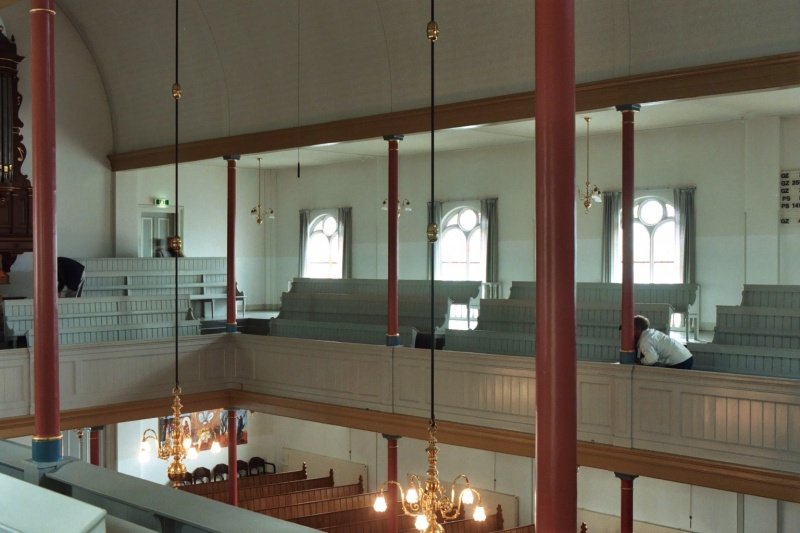
Een derde optie?
Om uit de ontstane tegenstelling te komen, onderzoekt de wijkkerkenraad daarom een mogelijke derde optie: een gezamenlijke nieuwe start op een andere locatie. Volgens de kerkenraad zou een nieuwe plek niet alleen een alternatief voor de bestaande kerkgebouwen kunnen zijn, maar ook ruimte kunnen bieden voor herstel van de onderlinge verbondenheid.
Over een eventuele nieuwe locatie wordt pas een besluit genomen nadat de gemeente hierover is gehoord.
Translation into English:
Investigation into a Third Option for Church Choice in Zwolle.
The discussion about the future of the Protestant, formerly ‘gereformeerde’ Oosterkerk in Zwolle has led to considerable tensions within the Adventskerk-Oosterkerk congregation. What began as a discussion about the choice of a church building has now developed into a broader question about the future and cohesion of the congregation.
The chair of the church council of the Adventskerk-Oosterkerk congregation looked back and ahead in an article in the congregation’s contact magazine, Klankbord.
On 1 June 2026, the General Church Council of the Protestant Church of Zwolle decided to reduce the number of church buildings. A subsequent discussion arose within the Adventskerk-Oosterkerk congregation about the legitimacy of this decision. At the end of June, it became apparent that the decision-making process may not have fully complied with a provision in the Local Regulations concerning the relationship between the General Church Council and the district church councils.
Objections Filed.
Several members of the district church council subsequently decided to file objections with the Classical Committee for Objections and Disputes (CCBG). At least 153 members of the congregation have also announced that they intend to file objections. In addition, the district church council of the Sionskerk has filed a separate objection. The legal consideration of the objections is expected to continue in the autumn of 2026.
Meanwhile, the district church council is looking beyond the legal proceedings alone. Two clearly differing perspectives have emerged within the congregation: one group advocates preserving the Oosterkerk, while others see the Adventskerk as the church building for the future. The prolonged debate has put relations within the congregation under further strain.
A Third Option?
To overcome the division that has arisen, the district church council is therefore exploring a possible third option: making a fresh start together at a different location. According to the church council, a new location could not only provide an alternative to the existing church buildings, but could also create space for restoring the congregation’s sense of unity.
A decision about any possible new location will only be made after the congregation has been consulted on the matter.