
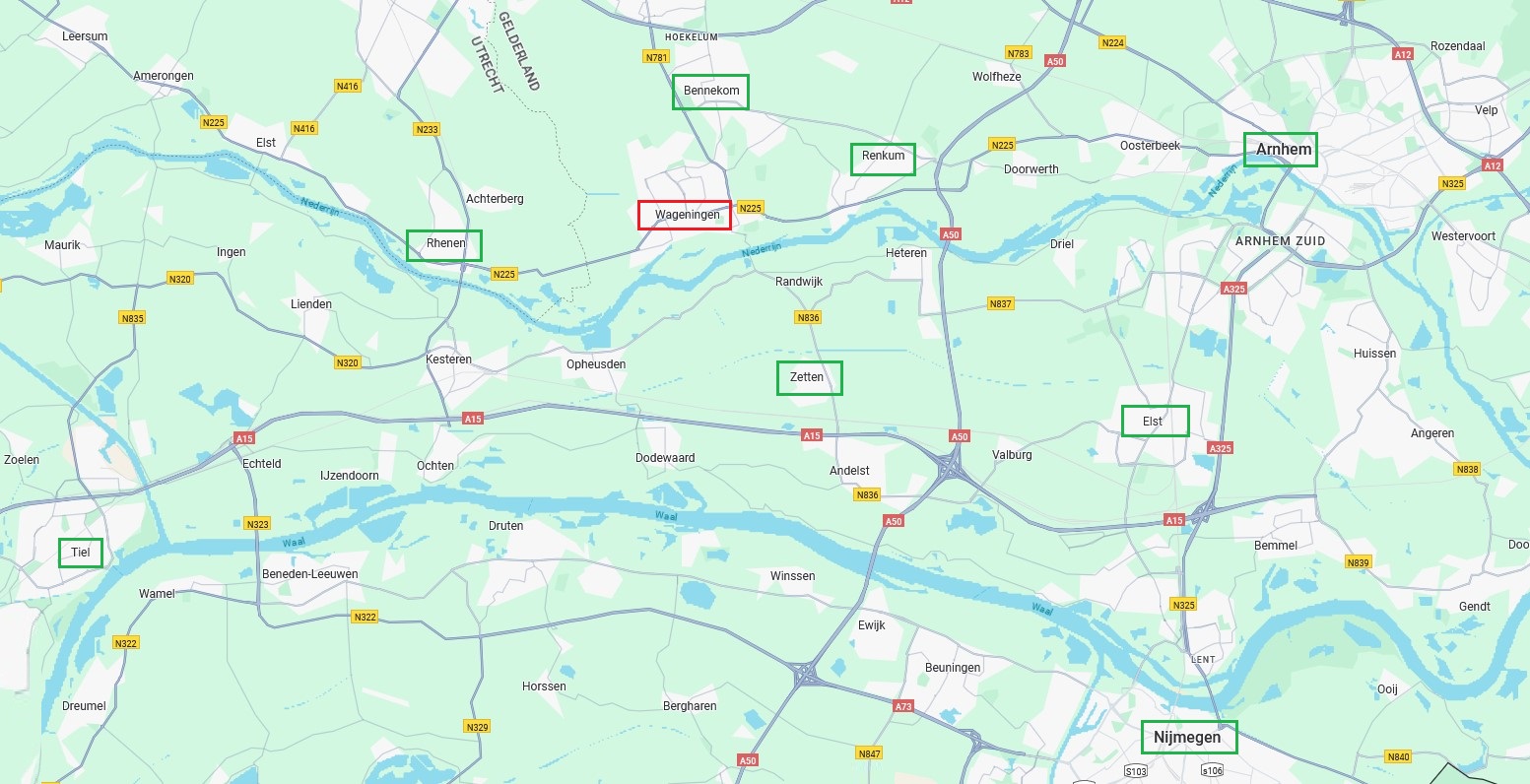
De Gereformeerde Kerk in het Gelderse Wageningen werd op 29 april 1888 als Nederduitsche Gereformeerde Kerk (doleerende) geïnstitueerd. In 1892 sloot deze kerk zich aan bij De Gereformeerde Kerken in Nederland.
1. De Afscheiding.
Er is enige onduidelijkheid over de vraag of in Wageningen ooit een Christelijke Afgescheidene Gemeente bestaan heeft. Het enige officiële document dat daarover iets meedeelt is het rapport van de hervormde classis Arnhem aan het Departement van Eeredienst, gedateerd 1 april 1836. Dit meldt dat in Wageningen ‘slechts vier Afgescheidenen’ woonachtig waren. Van hen wordt geschreven dat zij ‘geene Evangelische Gezangen willen zingen’ en/of ‘dat zij niet ter kerk komen’. Het gebruik van de ‘Evangelische Gezangenbundel’ was door de Regering verplicht gesteld: tijdens de dienst moest tenminste één gezang uit die bundel worden aangeheven. Tegenstanders ervan zongen niet mee of verlieten de kerk.
Van de Afgescheidenen is namelijk bekend dat zij die hervormde gezangenbundel beschouwden als vrijzinnig (‘modern’). En ds. H. de Cock (1801-1842) van Ulrum, de eerste Afgescheiden predikant in ons land, zei van deze gezangenbundel onder veel meer: “…een geheel van 192 Sirenische minneliederen, [dienend] om de Gereformeerden al zingende van hun zaligmakende leer af te trekken en een valsche leugenleer in te voeren”. Met de beeldspraak ‘Sirenische minneliederen’ doelde hij op de sirenen uit de klassieke mythologie: verleidelijke stemmen die schipbreuk veroorzaakten.
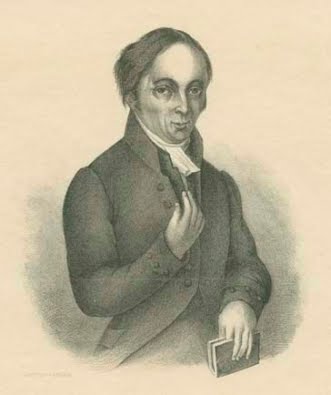
Toch heeft in Wageningen van ongeveer 1874 tot 1906 aan de Grintweg (tegenwoordig de Churchillweg) een ‘Afgescheiden kerk’ gestaan, die in de volksmond de Klompenkerk genoemd werd, die zichzelf omschreef als ‘Vrije Gereformeerde Gemeente’ en die zo’n 150 leden telde. In 1890 werd bakker J. Hartkamp (1837-1921) daar voorganger (hij was aanvankelijk aangesloten bij de Doleantie in Amersfoort, maar liet zich daar al gauw uitschrijven, ‘bewerende niet dolerend te zijn’). Om ‘evangeliedienaar’ te worden had hij zijn bakkerij verkocht. Met het geld kocht hij datzelfde jaar het lokaal aan de Grintweg en liet aan de Benedenbuurt in hetzelfde jaar voor fl. 1.900 ook nog een huis bouwen. In 1894 vertrok Hartkamp met zijn gezin naar het Friese Sloten, waar hij zich verbond aan de Oud Gereformeerde Kerk.
De gemeente ‘van Hartkamp’ was echter niet bij de Christelijke Afgescheidene Kerk aangesloten, want ze wordt verder nergens in die kringen genoemd. Ook niet in de Notulen van de Algemene Vergaderingen van de Afgescheidenen. Verder komt de betreffende gemeente niet voor in de Notulen van de Algemene Vergaderingen van de Gereformeerde Kerk onder ’t Kruis – een klein, van de Christelijke Afgescheidene Kerk rond 1838 afgesplitst kerkgenootschap – noch ook in de Jaarboekjes van de Christelijke Gereformeerde Kerk. Concluderend kunnen we stellen dat het een ‘Afgescheiden Gemeente’ was die geheel of vrijwel geheel op zichzelf stond.
2. De Doleantie.

De ‘Neder-Veluwe’ van februari 1887 berichtte dat er bij de hervormde kerkenraad van Wageningen geen plannen bestonden om zich van de hervormde kerk af te scheiden. Kort daarvoor was dat namelijk wél gebeurd in Bennekom, waar ds. E. Eisma (1854-1917) als hervormd predikant voor de Doleantie koos en de ‘reformatie der hervormde kerk’ in dat dorp ter hand nam. Hij had dus de leiding bij de Doleantie in Bennekom (de tweede orthodoxe uittocht uit de hervormde kerk in de negentiende eeuw).
Enkele maanden later, op 24 juni 1887, schreef een aantal Wageningse hervormde gemeenteleden aan hun kerkenraad dat het volgens hen ‘treurig gesteld’ was met de hervormde kerk, en dat dit ook de schuld was ‘van de belijders des Heeren’ die zich in stilzwijgen hulden over de ‘verkeerde dingen die in de kerk werden ingevoerd: ‘onze en uwe schuld’. De briefschrijvers verwezen naar ds. Eisma, de wettige predikant van de hervormde gemeente te Bennekom, die de vorige zondag ‘met behulp van de wereldlijke macht van den kansel geweerd’ was. Niet omdat hij een leugenleer verkondigde, maar omdat hij durfde uit te spreken dat de hervormde kerk dwaalde en dat hij die dwaalweg had verlaten. Daarom was hij uit zijn bediening ontzet, net als ‘de leeraren die gij vroeger tot onze gemeente hadt beroepen, zoals ds. J.J.A. Ploos van Amstel (1835-1895), ds. G.H. van Kasteel (1850-1931) van Kollum, ds. G. Ringnalda (1828-1904) van Utrecht, ds. W. Ringnalda (1858-1925) van Harmelen, ds. H.H. Veder (1853-1913) van Schiedam, ds. M.J. Bouman (1827-1904) van Amersfoort, ds. J. Langhout (1848-1908 van Anjum enzovoort.’ Dit waren stuk voor stuk Hervormde predikanten die later met de Doleantie mee gingen.

De Wageningse kerkenraad, zo schreven de ondertekenaars, had stelling moeten nemen tegen de verkeerdheden in de hervormde kerk, en niet moeten toelaten dat de ds. Eisma uit zijn bediening ontzet was. “Gij zijt tot bestuurders van ‘s Heeren gemeente geroepen en blijft Ge onder de tegenwoordige inrichting [c.q. de kerkelijke reglementen], dan zult ge te zamen met de vervolgers van de belijders des Heeren de kerk moeten regeeren. Dan staat Ge voor God mede schuldig, dan erkent gij de reglementen [van de kerk] hooger dan Gods onfeilbaar Woord”.
Vandaar dat ze de kerkenraad opriepen de ‘reformatie der kerk ter hand te nemen’, dat wilde zeggen: het door de regering aan de hervormde kerk in 1816 opgelegde ‘Algemeen Reglement voor het bestuur van de Hervormde Kerk’ af te schaffen en ‘wederom kracht en geldigheid te verlenen’ aan de daarvóór geldende aloude, gereformeerde Dordtse Kerkorde. Dan zou de almacht van Algemene Synode (‘de synodale hiërarchie’) gebroken worden, en zou een halt toegeroepen worden aan de steeds verder oprukkende vrijzinnigheid in de hervormde kerk.
De Doleantie in Wageningen.

De brief werd ook geschreven namens de ondertekenaars van de ‘Verzamellijsten’, namenlijsten van hervormde gemeenteleden uit Wageningen die voorstanders waren van het ’ter hand nemen van de reformatie der kerk’ (van de Doleantie dus). De briefschrijvers waren namelijk, voordat ze hun brief aan de kerkenraad richtten, bij alle hervormde gemeenteleden langs geweest om te vragen of ze wilden tekenen voor het ter hand nemen van ‘de reformatie der kerk’.
Eigen diensten…
De kerkenraad gaf echter geen gevolg aan het verzoek van de briefschrijvers. Dat was voor een groep bezwaarden aanleiding om door de week eigen kerkdiensten te houden, waarin ook bezwaarde predikanten voorgingen, zoals ds. Eisma van Bennekom, ds. K.W. Vethake (1851-1941) van Arnhem en ds. T.H. Woudstra (1854-1931) van Maassluis.
De bezwaarden hadden – toen de kerkenraad niet op hun verzoek inging – zelf ‘de reformatie der kerk’ ter hand genomen volgens het ‘ambt aller geloovigen’. Ze hadden tijdens vergaderingen in februari en maart 1888 ouderlingen en diakenen gekozen, en ook waren kort daarvoor, op 15 februari 1888, de eerste bestuursleden gekozen voor de ‘Vereniging De Kerkelijke Kas’. Deze vereniging had ten doel te werken als een soort van Commissie van Beheer, om het beheer te voeren over de kerkelijke goederen, zoals gebouwen en gelden. De eerste bestuursleden waren F. van Heelsum, C. van Bleek, J.H. Bulens, J.A. Vierbergen en A.H. van Lonkhuijzen.

Voor de vereniging werd direct rechtspersoonlijkheid aangevraagd. Dat was nodig in verband met het verrichten van eventuele officiële handelingen, zoals koop en verkoop van roerende en onroerende goederen. De Dolerende Kerk zélf kon volgens de regels in die tijd geen overheidserkenning (en dus rechtspersoonlijkheid) verkrijgen; het beheer moest dus aan de ‘Kerkelijke Kas’ uitbesteed worden. Uiteraard was deze Vereniging verantwoording schuldig aan de kerkenraad. Tot de oprichting van zo’n Vereeniging ‘De Kerkelijke Kas’ was in januari 1887 tijdens het Gereformeerd Kerkelijk Congres in Amsterdam geadviseerd.

De Dolerende Kerk geïnstitueerd (1888).
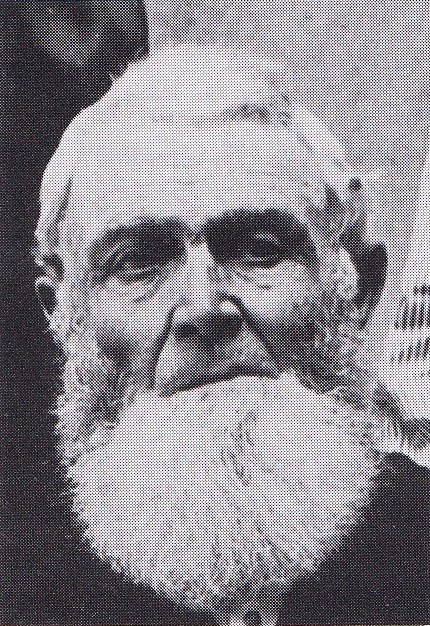
Op 29 april 1888 werden de gekozen ouderlingen en diakenen in het ambt bevestigd. Het waren de ouderlingen E. Goossen (de eerste preses van de kerkenraad) en J. Modderkolk, en de diakenen J. Vermeer en J.H. Bulens (de eerste scriba van de kerk). Daarmee was de Nederduitsche Gereformeerde Kerk (doleerende) te Wageningen een feit. Op 30 april daaraanvolgend besloot de kerkenraad tijdens zijn eerste vergadering het Algemeen Reglement voor het Bestuur van de Hervormde Kerk, in 1816 door de regering aan de kerk opgedrongen, af te schaffen en ‘wederom kracht en geldigheid te verlenen’ aan de ‘nooit afgeschafte’ aloude gereformeerde Dordtse Kerkorde. Aan Z.M. de Koning, de burgemeester en de hervormde Kerkvoogdij werd daarvan kennis gegeven.
Met het ter hand nemen van ‘de reformatie der kerk’ bedoelde de kerkenraad niet dat zij zich van de Vaderlandse (= Hervormde) Kerk afscheidde. Nee, hij beschouwde zich als de wettige voortzetting ervan.
Dat de hervormde kerkenraad zich verplicht zag actie te ondernemen spreekt voor zich. In februari en maart 1891 berichtte men aan de Wageningse Dolerenden dat zij zich schuldig hadden gemaakt aan ‘verstoring van orde en rust in de kerk’, en dat zij daarom ‘ontzet waren van hun lidmaatschap van de Nederlandsche Hervormde Kerk’.
Talloze vergeefse beroepen.
Hoewel de kerkenraad al in juni 1888 met het beroepingswerk begon wilde dat niet vlotten. Minstens tweeëntwintig vergeefse beroepen op predikanten moest men meemaken voordat in 1893 de eerste vaste predikant in het ambt bevestigd werd. Dus moest in de tussentijd voorzien worden in de uitvoering van het pastoraat en in andere zaken die normaal door een predikant verricht worden, zoals bijvoorbeeld het geven van de catechisaties. Deze werden in de begintijd van de kerk door ds. Eisma verzorgd, totdat godsdienstonderwijzer Van der Blom naar Wageningen kwam (de kerkenraad had zelf gemeentelid J. Schaft als ‘voorlezer’ aangesteld; hij las tijdens de diensten de Wet en deed de Bijbellezingen).
De kerkvisitatie van eind 1888 moest de ouderlingen oproepen de gemeenteleden te bezoeken, en de diakenen dienden hun diaconale taak uit te voeren en die allereerst te richten op minvermogende gemeenteleden, maar indien mogelijk ook op andere armen die niet tot de kerkelijke gemeente behoorden. Verder moest de kerkenraad – zeiden de visitatoren – het jeugdwerk niet vergeten. En pastoraal gezien diende men ouders van ‘onechte kinderen’ te vermanen (met ‘onechte kinderen’ bedoelde men kinderen die buiten het huwelijk geboren werden). Ook werd geadviseerd om niet te streng te zijn voor hen die het avondmaal soms moesten missen omdat hun beroep het noodzakelijk maakte op zondag te werken.
Door de diakenen werd het normale ondersteuningswerk aan de minvermogende gemeenteleden ter hand genomen. Ook werd een diaconaal fonds gesticht waarmee het schoolgeld voor de School met den Bijbel kon worden betaald voor kinderen van minvermogende ouders.
Van kolenschuur naar Noorderkerk.
Nadat de kerkdiensten aanvankelijk enige tijd in particuliere woningen gehouden waren, werd op 5 oktober 1887 ‘eindelijk’ het eerste ‘eigen’ onderdak in gebruik genomen, zijnde een kolenschuur in de Rouwenhofstraat, eigendom van Johannes Martinus Stork.

De bijeenkomst werd door ‘eene talrijke schare’ bijgewoond. In het bijbehorende woonhuis werden de catechisaties gehouden. Ds. Vethake (1851-1941) van Arnhem was degene die de eerste dienst in de kolenschuur leidde.
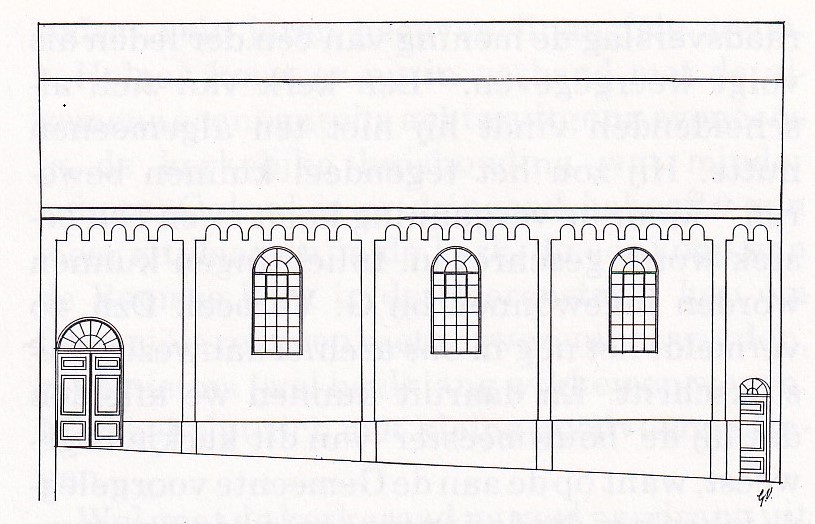
Maar in juni 1888 waren de tekeningen voor een groter, stenen kerkgebouw klaar! Kort daarvoor was namelijk aan de burgerlijke Gemeente Wageningen gevraagd om toestemming te geven voor de bouw van een lokaal op een stuk grond aan het Noorderplantsoen, dat van J. Vermeer gekocht was. De toestemming kwam er en als architect werd G. Verbeek aangewezen; J.B. Radstake was de laagste inschrijver van de aanbesteding. De bouw verliep voorspoedig, zodat de ‘eenvoudige en nette kerk’ op zondag 4 november 1888 in gebruik genomen kon worden. Vierhonderd kerkgangers konden er een plaats vinden.
Ds. Eisma van Bennekom was de voorganger in de eerste dienst. Hij preekte over 1 Petrus 2 de verzen 4 en 5: “Tot Welken komende als tot een levenden Steen, van de menschen wel verworpen, maar bij God uitverkoren en dierbaar, zo wordt gij ook zelven, als levende stenen, gebouwd tot een geestelijk huis, tot een heilig priesterdom, om geestelijke offeranden op te offeren, die Gode aangenaam zijn door Jezus Christus“. Tijdens deze dienst werden twee kinderen gedoopt.

In 1892 kwam er verwarming in de kerk en drie jaar later werd de kerk geschilderd voor een bedrag van fl. 250, betaald via een ingekomen gift. De kerk bleef tot 1935 in gebruik, toen de (latere) Bevrijdingskerk gebouwd werd. Maar daarover later meer.
Een orgel (1888).
Voor de in aanbouw zijnde kerk werd in 1888 alvast voor fl. 82 een ‘oud en klein pijporgeltje’ aangeschaft, dat de kerkzang in de nieuwe kerk begeleidde. Er moest trouwens wel een ‘orgeltrapper’ mee naar de kerk, want deze had tot taak de tredbalken naar de blaasbalg van het orgel in beweging te zetten, zodat het orgel van wind werd voorzien. Joh. van Eden was de eerste organist.

© 2025. GereformeerdeKerken.info
Translation into English:
The ‘Gereformeerde’ Church in Wageningen (1).
The ‘Gereformeerde’ Church in Wageningen, in the province of Gelderland, was instituted on April 29, 1888, as the Nederduitsche Gereformeerde Kerk (doleerende). In 1892 this church joined The ‘Gereformeerde’ Churches in the Netherlands.
1. The Secession (Afscheiding).
There is some uncertainty about whether a Christian Secessionist Congregation ever existed in Wageningen. The only official document that mentions anything about this is the report of the ‘Hervormde’ classis of Arnhem to the Department of Public Worship, dated April 1, 1836. It states that in Wageningen “only four Secessionists” resided. Of them it is written that they “do not wish to sing Evangelical Hymns” and/or “do not come to church.” The use of the Evangelical Hymns was mandated by the government: during the service at least one hymn from that collection had to be sung. Opponents refused to sing along or left the church.
The Secessionists indeed regarded that hymnbook as liberal (“modern”). And Rev. H. de Cock (1801–1842) of Ulrum, the first Secessionist minister in the Netherlands, said of that hymnbook, among many other things: “…a whole of 192 Sirenian love songs, [serving] to lead the ‘gereformeerden’ while singing away from their saving doctrine and to introduce a false doctrine.” With the image of “Sirenian love songs” he referred to the sirens from classical mythology: seductive voices that caused shipwrecks.
Nevertheless, from about 1874 to 1906 a “Secessionist church” stood on the Grintweg (now Churchillweg) in Wageningen, popularly called the Klompenkerk, which described itself as a “Free ‘Gereformeerde’ Congregation” and counted about 150 members. In 1890 baker J. Hartkamp (1837–1921) became its leader (he had initially joined the Doleantie movement in Amersfoort, but soon had himself removed from the membership list there, “claiming not to be doleerende”). To become an “evangelist” he had sold his bakery. With the money he bought that same year the meeting hall on the Grintweg and also had a house built that same year in the Benedenbuurt for 1,900 guilders. In 1894 Hartkamp left with his family for Sloten in Friesland, where he joined the Old ‘Gereformeerde’ Church.
However, the congregation “of Hartkamp” was not affiliated with the Christian Secessionist Church, for it is nowhere mentioned in those circles. Nor in the Minutes of the General Meetings of the Secessionists. The congregation also does not appear in the Minutes of the General Meetings of the ‘Gereformeerde’ Church under the Cross—a small denomination that split from the Christian Secessionist Church around 1838—nor in the Yearbooks of the Christian Reformed Church. We may conclude that it was a “Secessionist Congregation” that stood wholly or almost wholly on its own.
2. The Doleantie.
The Neder-Veluwe newspaper of February 1887 reported that the ‘hervormde’ church council of Wageningen had no plans to separate from the ‘Hervormde’ Church. Shortly before, that had indeed happened in Bennekom, where Rev. E. Eisma (1854–1917), then the ‘hervormde’ minister, chose the Doleantie and undertook the “reformation of the ‘hervormde’ Church” in that village. He therefore led the Doleantie in Bennekom—the second orthodox exodus from the ‘Hervormde’ Church in the nineteenth century.
Several months later, on June 24, 1887, several ‘hervormde’ church members wrote to their church council that in their opinion the state of the ‘Hervormde’ Church was “lamentable,” and that this was also the fault “of the confessors of the Lord,” who kept silent about the “wrong things introduced into the church: ‘our and your guilt.’” The letter writers referred to Rev. Eisma, the lawful minister of the ‘Hervormde’ congregation of Bennekom, who the previous Sunday had been “kept from the pulpit by the civil authorities.” Not because he preached false doctrine, but because he dared to state that the ‘Hervormde’ Church erred and that he had left the path of error. Therefore he had been deposed, as had “the teachers whom you earlier had called to our congregation, such as Rev. J.J.A. Ploos van Amstel (1835–1895), Rev. G.H. van Kasteel (1850–1931) of Kollum, Rev. G. Ringnalda (1828–1904) of Utrecht, Rev. W. Ringnalda (1858–1925) of Harmelen, Rev. H.H. Veder (1853–1913) of Schiedam, Rev. M.J. Bouman (1827–1904) of Amersfoort, Rev. J. Langhout (1848–1908) of Anjum, and so on.” These were all ‘hervormde’ ministers who later joined the Doleantie.
The council, the signatories wrote, should have taken a stand against the errors in the ‘Hervormde’ Church and should not have allowed Rev. Eisma to be deposed. “You are called to be governors of the Lord’s congregation, and if you remain under the present arrangement [i.e., in the ‘Hervormde’ Church], you will have to rule the church together with the persecutors of the confessors of the Lord. Then you stand guilty before God; then you acknowledge the regulations [of the church] as higher than God’s infallible Word.”
Therefore they called on the church council to “take the reformation of the church in hand,” meaning: to abolish the “General Regulation for the governance of the ‘Hervormde’ Church” imposed by the government in 1816, and to “grant renewed force and validity” to the old ‘gereformeerde’ Church Order of Dordt that had been in effect before. The omnipotence of the General Synod (“the synodal hierarchy”) would then be broken, and the ever-advancing liberalism in the ‘Hervormde’ Church would be halted.
The Doleantie in Wageningen.
The letter was also written on behalf of the signatories of the “Collection Lists,” name lists of ‘hervormde’ church members in Wageningen who supported the reformation of the church (i.e., the Doleantie). Before writing their letter, the authors had visited all ‘hervormde’ congregants to ask if they wanted to sign for taking the reformation of the church in hand.
Own services…
The church council, however, did not act upon the request of the letter writers. For a group of objectors this was reason to begin holding their own weekday services, in which objecting ministers such as Rev. Eisma of Bennekom, Rev. K.W. Vethake (1851–1941) of Arnhem, and Rev. T.H. Woudstra (1854–1931) of Maassluis conducted worship.
When the church council did not respond to their request, the objectors undertook the reformation of the church themselves under the “office of all believers.” During meetings in February and March 1888 they chose elders and deacons, and shortly before, on February 15, 1888, the first board members had been elected for the “Association The Church Fund” (De Kerkelijke Kas). This association was intended to function as a sort of finance committee and to administer church property such as buildings and funds. The first board members were F. van Heelsum, C. van Bleek, J.H. Bulens, J.A. Vierbergen, and A.H. van Lonkhuijzen.
The association immediately applied for legal personality, which was necessary for any official acts, such as buying and selling movable and immovable property. The Dolerende Church itself could not be granted government recognition (and thus legal personality) under the rules of that time; the administration therefore had to be entrusted to the Church Fund. Naturally, this Association was accountable to the church council. The founding of such an Association “The Church Fund” had been recommended during the ‘Gereformeerd’ Church Congress held in Amsterdam in January 1887.
The Dolerende Church instituted.
On April 29, 1888, the chosen elders and deacons were installed into office. They were the elders E. Goossen (the first moderator of the church council) and J. Modderkolk, and the deacons J. Vermeer and J.H. Bulens (the first clerk of the church). Thus the Nederduitsche Gereformeerde Kerk (doleerende) in Wageningen became a fact. On April 30, at its first meeting, the church council decided to abolish the General Regulation for the Governance of the ‘Hervormde’ Church, imposed on the church by the government in 1816, and to “grant renewed force and validity” to the “never-abolished” old ‘gereformeerde’ Church Order of Dordt. His Majesty the King, the mayor, and the ‘hervormde’ churchwardens were informed.
By “taking the reformation of the church in hand,” the church council did not mean that they separated from the National (= ‘Hervormde’) Church. No, they regarded themselves as its legitimate continuation.
That the ‘hervormde’ church council felt obliged to take action goes without saying. In February and March 1891 they informed the Wageningen Dolerenden that they were guilty of “disturbing order and peace,” and that therefore they had been “deprived of their membership of the ‘Hervormde’ Church.”
Countless unsuccessful calls.
Although the church council began calling ministers as early as June 1888, this did not proceed smoothly. They endured at least twenty-two unsuccessful calls before, in 1893, the first permanent minister was installed. In the meantime pastoral care and other ministerial tasks—such as catechism instruction—had to be provided by others. In the early period of the church, Rev. Eisma gave catechism lessons until lay religion teacher Van der Blom came to Wageningen (the church council had appointed church member J. Schaft as “reader”; he read the Law and the Scripture lessons during services).
The church visitation at the end of 1888 had to urge the elders to visit the church members, and the deacons to perform their diaconal duties, focusing first on needy members, but if possible also on other poor people not belonging to the congregation. The visitors also urged the council not to forget the youth work. Pastoral admonition was required for parents of “illegitimate children” (meaning those born outside of marriage). They also advised not to be too strict toward those who occasionally had to miss the Lord’s Supper because their job required Sunday work.
The Diaconate.
The deacons took on normal support work for needy members. A diaconal fund was also established to pay school fees for the School with the Bible for children of impoverished parents.
From coal shed to Noorderkerk.
After services had initially been held for some time in private homes, on October 5, 1887, the first “own” accommodation was finally put into use: a coal shed on the Rouwenhofstraat, owned by Johannes Martinus Stork.
The meeting was attended by “a large crowd.” Catechism lessons were held in the adjoining house. Rev. Vethake (1851–1941) of Arnhem led the first service in the coal shed.
But in June 1888 the drawings for a stone church building were ready! Shortly before, the Municipality of Wageningen had been asked for permission to build a meeting hall on a plot of land in the Noorderplantsoen, purchased from J. Vermeer. Permission was granted, architect G. Verbeek was appointed, and J.B. Radstake submitted the lowest bid. Construction progressed smoothly, and the “simple and neat church” could be taken into use on Sunday, November 4, 1888. Four hundred worshipers could find a seat there. Rev. Eisma of Bennekom conducted the first service. He preached on 1 Peter 2:4–5: “Unto whom coming, as unto a living Stone, disallowed indeed of men, but chosen of God, and precious, ye also, as lively stones, are built up a spiritual house, an holy priesthood, to offer up spiritual sacrifices, acceptable to God by Jesus Christ.” During this service two children were baptized.
In 1892 heating was installed in the church, and three years later the church was painted at a cost of 250 guilders, paid by a donation. The church remained in use until 1935, when the (later) Liberation Church was built. But more about that later.
An organ (1888).
For the church then under construction, an “old and small pipe organ” was purchased in 1888 for 82 guilders, which accompanied the congregational singing. An “organ-pumper” was needed, whose task it was to move the tread-beams connected to the organ bellows to supply wind. Johann van Eden was the first organist.
Part 3 to follow soon.
The first leaders.
When calling a minister produced no results after months, the classis finally advised seeking a religion teacher. Thus the church council contacted the Friends of the Truth in Amsterdam. That (‘hervormde’) evangelistic association—with branches across the country—aimed to appoint evangelists or religion teachers “everywhere where the true Word of God is not heard.”
N. van der Blom (1889–1891).
Thus they obtained the name of Nicolaas van der Blom (1850–1934) from Hees near Nijmegen. This 39-year-old religion teacher was appointed and began his work in Wageningen in 1889.
Van der Blom was immediately chosen as elder and soon after as moderator of the church council. “He works in Wageningen with fruit. His edifying word is gladly heard. He regularly leads services and preaches directly to the people, sometimes deeply moved by the word he himself speaks and which evidently penetrates his own heart.” The pastoral care of the congregation went well. In 1891 Van der Blom departed.
Until the arrival of exhorter De Beer, catechism was taught by exhorter Cornelis Pieneman (1863–1912). It is important to note that this exhorter later joined, as minister, the “stricter” ‘Gereformeerde’ Church under the Cross; this marks the “spiritual character” of the Dolerende Church of Wageningen at that time.
B.S. de Beer (1891–1893).
His successor was exhorter B.S. de Beer (1857–1915) of Huizen, already known in Wageningen because he had previously conducted services there and was apparently well liked. He was made elder but not chosen as moderator because he was not easy to get along with and sometimes preached far too long. Once a service lasted 2 hours and 15 minutes; the church council then warned him that if it lasted that long again, he would no longer be allowed to lead services. Before the first official minister arrived in 1893, De Beer left for Vinkeveen.
The ‘Gereformeerde’ Church of Wageningen (1892).
Soon after the Doleantie, the general synods of the Christian Reformed Church and the Nederduitsche Gereformeerde Kerken (doleerende) (arising respectively from the Secession and the Doleantie) contacted one another to discuss a possible union.
On June 17, 1892, the leaders of both churches were able to announce their merger as The ‘Gereformeerde’ Churches in the Netherlands. They were Rev. S. van Velzen (1809–1896) on behalf of the Christian Reformed Church, and Dr. A. Kuyper on behalf of the Nederduitsche Gereformeerde Kerk (doleerende). Therefore, the name of the Dolerende Church in Wageningen also changed to “The ‘Gereformeerde’ Church of Wageningen.”
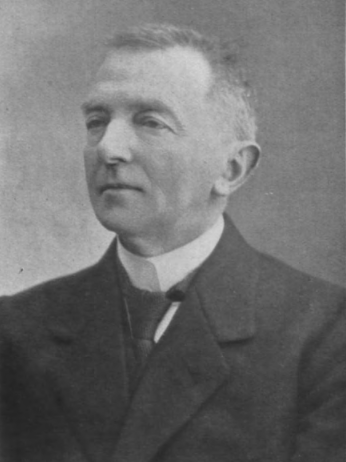
Rev. C.L.F. Van Schelven (1893–1929).
That the called minister, the then thirty-five-year-old Rev. C.L.F. Van Schelven (1858–1933) of Oude and Nieuwe Wetering (where he had led the Doleantie), came to Wageningen prompted Rev. Eisma to write to him: “Rarely have I seen so much emotion and joy as when your letter of acceptance arrived at the church council and was announced.” And with good reason, as we saw. The call extended to him was the twenty-third, and the Dolerende Church of Wageningen had now been vacant for five years!
The minister was firmly determined to call the “remaining ‘gereformeerde’ people” in the ‘Hervormde’ Church back to the true church, namely to the Dolerende Church. This did not go well. Although occasionally ‘hervormde’ members attended the ‘Gereformeerde’ church services (i.e., the Dolerende church), they did not register as members. And—what he found worse—some members of his own ‘gereformeerde’ congregation showed up in the ‘Hervormde’ Church! Therefore he adjusted his plan and henceforth focused on consolidating the congregation itself.
He made no secret of his disapproval of the ‘Hervormde’ Church. Any young man or woman planning to marry someone from “the doctrinally free and discipline-less Society” (as he called the ‘Hervormde’ Church) would receive a pastoral visit. He strictly supervised observance of Sunday rest: municipal sprinkling trucks, postal workers laboring on Sunday, football matches played on the Lord’s Day, and other public amusements were all condemned by him. He also kept watch over the youth: the mayor was asked to implement a cinema ban for persons under 16. Female members were to come to the Lord’s Supper “in modest attire.”
In 1911 the minister became ill, and remained partially so during the following year. His duties were partly taken over by emeritus minister Rev. R. van Giffen (1859–1938), who then served as elder in Wageningen. After this period complaints arose concerning the returned Rev. Van Schelven: about his sermons, which according to critics had too little focus on the experiential (inner experience of faith). According to some, he emphasized too much the intellectual, the confession, and tradition. Others found his pastoral visitation (and that of the elders) lacking.
In 1917 the Association “The Church Fund” was dissolved. A Board of Trustees was established. That year they also adopted a system of fixed church contributions. Until that time pews had been rented out, which generated considerable income.
The Young Men’s Association.
On April 14, 1873, a Young Men’s Association on ‘gereformeerde’ Foundation was founded in Wageningen. Its foundation was “God’s Holy Word, as described and explained in the confessional writings of the ‘gereformeerde’ Churches.” It was open to boys from about 16 years of age. Soon a Boys’ Association (Knapenvereniging) for boys under 16 also arose (already mentioned in 1885). Presumably it was founded on the initiative of the Young Men’s Association.
Note: the founding (in 1873) and early activity of the Young Men’s Association all took place within the ‘Hervormde’ Church, before the Doleantie had occurred. Even after the institution of the Dolerende Church, this YMA continued along ‘gereformeerde’ lines—until 1891, when after much effort a new set of rules was drawn up (possibly due to a split within the association). In January 1892 the new rules were approved. The association’s name became: ‘Gereformeerde’ Young Men’s Association “One Thing Is Needful.” The association had (partially) chosen the Dolerende Church, though all “’gereformeerde’” youth (including those from the ‘Hervormde’ state church) were welcome, even if they were not members of the ‘Gereformeerde’ Church.
The YMA met in the Christian School, but after a quarrel with the school board they had to leave immediately, met for some time in members’ homes, but eventually were granted access to the church consistory for a small rental fee. The Boys’ Association followed the Young Men’s Association. On May 5, 1895, the YMA decided to place itself under the supervision of the ‘Gereformeerde’ Church of Wageningen, and thus officially became part of it.
Around 1905 the YMA had long been in decline: membership dropped, and it was common for meetings to be attended by only about four members. Soon the YMA and, following it, the Boys’ Association ceased to exist.
Refounded (1909).
In October 1909 the Young Men’s Association was refounded and came under the leadership of I. van Schelven. In 1912 the boys founded the Boys’ Association Samuel. But insufficient leaders could be found, so only in 1917 could the founding be successfully resumed, when enough leaders volunteered. At the request of the YMA a youth elder was appointed to serve as the link between youth work (YMA and BA) and the church council.
The Girls’ Association (1893).
In 1893 a Ladies’ Circle is mentioned. This was the forerunner of the Girls’ Association, which was later founded. At first the ladies’ circle was basically a sewing circle, although they also took in spiritual nourishment in the form of Scripture readings and lectures. When the Girls’ Association “Martha” was established, the YMA asked them in 1894 to make a cover for the harmonium in the church. After long hesitation they agreed, but only for a fee of 6 guilders. And when in 1910 the YMA held its annual meeting and the GA was invited, the participation of the girls was limited to serving coffee. Whether the ladies considered it worth repeating is doubtful.
Church Life.
In the early twentieth century the diaconate was naturally also active. In 1900 they expressed support for a request to Her Majesty the Queen to institute a state pension for the elderly. Locally the deacons were active as well. Each year 10 guilders were contributed toward the appointment of a foster nurse in Wageningen.
Around 1900 a Mission Committee was founded in Wageningen, and in 1911 the committee expanded and became more active. Funds were collected for the mission work in Soemba and Java (two important mission fields of the ‘Gereformeerde’ Churches in the Netherlands), including through the sale of Mission Calendars. They also organized Mission Sundays to interest church members in mission work.
In 1917 the Boys’ Association Samuel was founded (as already mentioned), intended for boys under 16. Upon reaching that age they could join the YMA.
During World War I (the “Great War”), from 1914 to 1918, several prayer meetings for peace were held.
After the war various societal changes appeared, which also attracted church members and to which the church either did or did not give in: from 1919 women were allowed to attend congregational meetings; members were encouraged to join a Christian labor union (the CNV had been founded in Arnhem in 1909); some members advocated universal suffrage and participated in demonstrations for it (which the church council found worthy of admonition); others participated in a strike. The church council also considered this unacceptable.
The minister suffered increasing deafness from 1920 onward. Conversations on the street could be clearly heard from afar; catechism students recited verses of the Wilhelmus when they had to answer catechism questions (fortunate, at least, that the children knew the Wilhelmus!). That the children spoke so proudly of the catechism classes puzzled the parents, who eventually discovered what was happening and complained to the church council. The council ensured that an elder attended each catechism class.
Rev. J.G. Geelkerken (1879–1960) of Amsterdam-South was deposed by the General Synod in 1926 because he did not agree with the synod of Assen but left “the sensory perceptibility” of the trees and the speaking serpent in paradise open to question. From that time onward, (future) church council members were required to agree with the synod’s decisions. Remarkably, Rev. Van Schelven made no effort in 1926 to commemorate the Doleantie, which had taken place fifty years earlier.
At the urging of the church council, the minister requested emeritation for health reasons. On April 28, 1929, he took his farewell.